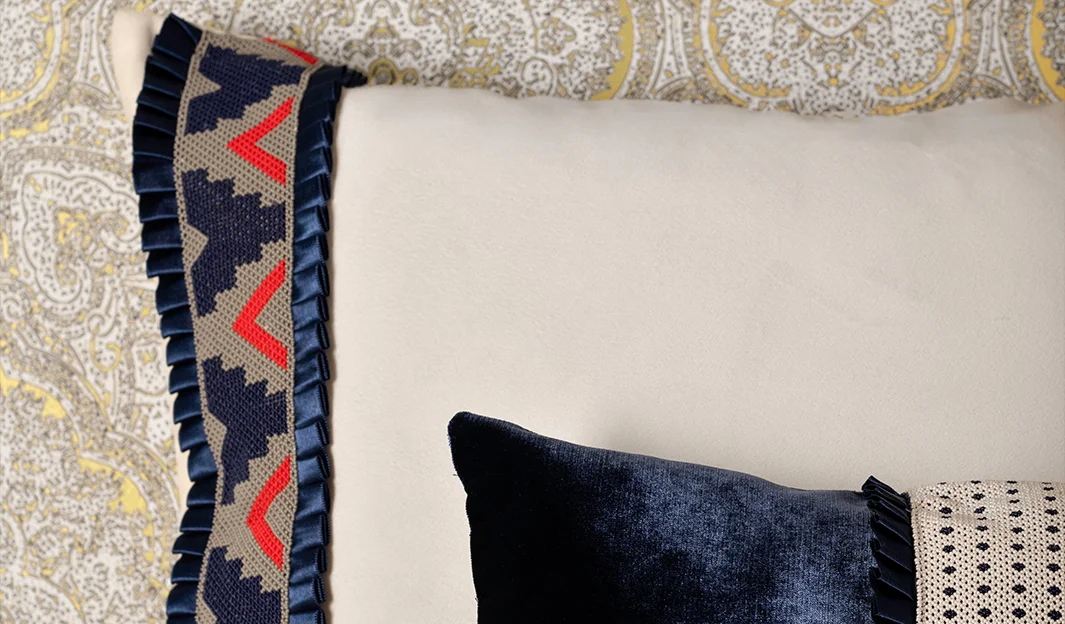
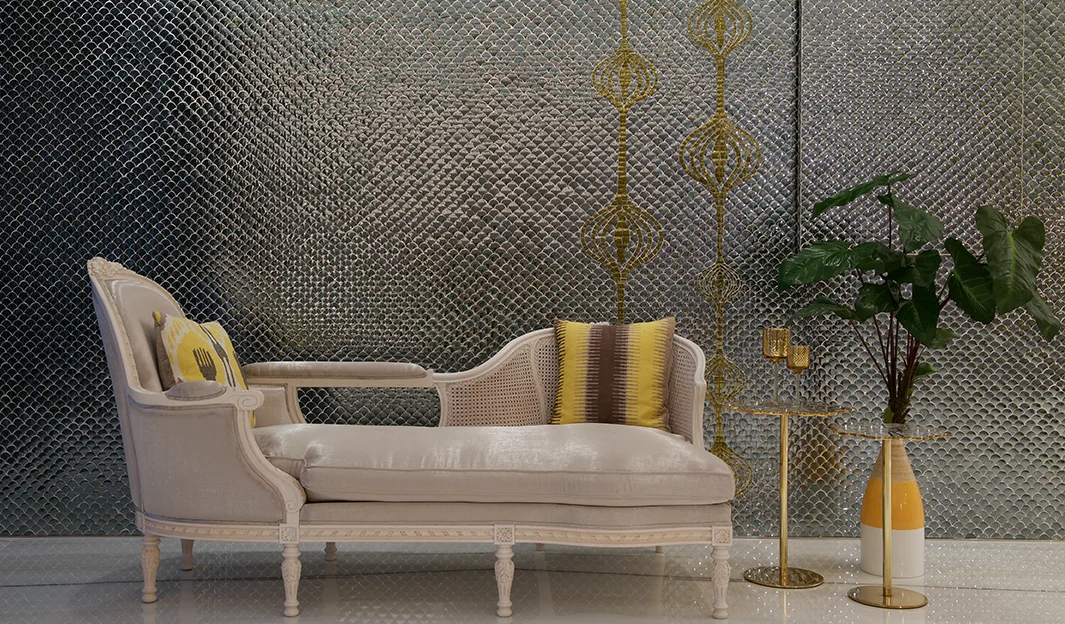
Bead weaving is a versatile and intricate craft that involves threading tiny beads together to create stunning patterns and designs. The history of bead weaving is as rich and colorful as the beads themselves, reflecting the cultures and societies that have practiced it over time.
A Historical Perspective
The origins of bead weaving can be traced back to ancient civilizations. Evidence of beadwork has been found in archaeological sites dating back to 3,000 BCE in regions such as Mesopotamia, Egypt, and the Americas. Early bead weavers used natural materials like bones, shells, stones, and seeds to create their intricate designs. These early works were often used for ceremonial purposes, adorning clothing, and jewelry, symbolizing status, and serving as currency.
In cultures across the world, bead weaving has been a prominent tradition. From the Maasai of Kenya and Tanzania who use beads to create vibrant necklaces, bracelets, and ornaments that tell stories of their heritage, social status, and personal achievements to Native American tribes who developed unique styles and techniques, such as the peyote stitch, which is still popular among contemporary bead weavers – beadwork often features symbolic patterns and motifs, carrying deep cultural knowledge and spiritual meanings.
In India we have found traces of beadwork being part of culture in coastal cities like Saurashtra and Kutch primarily and also in Arkiamedu, Tamilnadu. This infers it must have been on account of trade and was perhaps also used as currency. It seems the first glass seed bead was invented in India during the British raj and then was taken to Venice. The regal homes of Saurashtra and Kutch till date use this as a tradition as part of the trousseau and some wedding rituals. This is where Amee Vora infers it to be a symbol of affinity in our culture and the power of creating her new life being offered to each girl.
Bead Weaving vs. Embroidery
Embroidery and beadwork both offer the magic of transforming surfaces into stories, but their essence and purpose diverge in compelling ways. Embroidery stems from the art of embellishment — a meticulous craft of stitching threads and decorative elements like sequins or beads directly onto fabric. It enriches the surface, creating intricate patterns that captivate the eye and enhance the material beneath.
Beadwork, however, transcends embellishment and ventures into the realm of adornment. Unlike embroidery, beadwork is not bound to a fabric base. It builds itself, bead by bead, into a three-dimensional tapestry that stands independent of any surface. This process, often involving delicate weaving techniques, interlocks each bead into intricate patterns, giving the piece its own texture, structure, and identity.
The difference lies in their relationship with the material. Embroidery decorates; beadwork constructs. Embroidery enhances what exists, while beadwork creates something entirely new — a tactile art form with depth, movement, and versatility. The woven beads can be reused, repurposed, and reimagined, making each piece timeless and fluid in its function.
Moreover, the act of bead weaving holds a meditative quality,guiding the artisan from action to presence. In that stillness, she enters a sacred space, connecting individual beads into a cohesive whole. This mindful interplay mirrors life itself — where every small part contributes to a greater design.
At SBoHTM, beadwork isn’t just an alternative; it’s a philosophy. It embodies our vision to craft enduring, meaningful designs that extend beyond decoration and into the heart of artistry. Beadwork offers the timeless charm of adornment — creating pieces that are not just seen but experienced.
Beadwork today and beyond
Bead weaving continues to thrive in small pockets in today’s society, blending traditional techniques with modern innovations. Artists and artisans use beads made from a variety of materials, including glass, metal, crystal, and even recycled/upcycled materials. The versatility of bead weaving allows for the creation of an astonishing array of items. Beyond jewelry and fashion, bead weaving is also used to create works of art such as wall hangings, sculptures, and home decor. Beaded bags, belts, and sandals are also popular, showcasing the adaptability of this ancient craft to modern trends. Additionally, bead weaving plays a significant role in cultural and ceremonial artifacts, preserving traditional patterns and motifs for future generations. From its ancient origins to its modern applications, it remains a testament to the skill and artistry of those who practice the craft that weaves together the past, present, and future in every bead.